The work also bent outward into unexpected collaborations. A community garden used an issue centered on seeds and seed-saving as a guide for a swap; a small theater staged a night where actors read advertisements as characters; a school invited the group to workshop zine-making with students, teaching them how to splice images and captions into narratives. The repack’s low-fi nature made it transmissible—it required curiosity more than capital. It favored cobbled-together ingenuity over polished production, and that-handedness made it contagious.
The rain had been a soft percussion all evening, a private metronome that kept the city in a patient, reflective tempo. In a narrow apartment above a shuttered bakery, Lila sat cross-legged on the floor surrounded by paper: stacks of old magazines, brittle catalogues, and a pair of battered printers scavenged from thrift-store bins. Her fingers were ink-stained; her hair caught stray flecks of adhesive. The project on her lap had a name—magazinelibcom repack—and it was the only thing in the room insisting on moving forward.
In the end, magazinelibcom repack was less an accomplished finish than a continuing habit. It didn’t promise transformation; it promised attention. Each issue taught readers how to attend to surfaces, to notice the way language moves across time, to let margins breathe. It taught them to value the hand-made at a scale that fit in a backpack. It asked them to consider the ethical life of reuse and to be modestly brave in their curiosities.
Her process was ritual. She would start by selecting a theme—sometimes a loose idea like "weekday reveries" or "forgotten interiors," sometimes a single color that haunted her. Then she’d dive into the stacks, hunting for pieces that fit like puzzle fragments. A handwritten recipe clipped from a seventies lifestyle section might pair with an austere architectural photo from a modernist catalogue. A whimsical ad for a soda would be juxtaposed against a terse editorial about urban loneliness. The magic came in the tension: the points where old narratives collided and made new ones possible.
Distribution followed the same rebellious logic. Lila didn't want a run that aimed for scale; she wanted encounters. She would tuck copies into the pockets of used books in the corner shop, leave them on park benches beneath the shade of plane trees, hand them to strangers on buses and watch their fingers trace the collages. Sometimes she organized night salons in dim cafés, laying out fresh issues on mismatched tables while people drank bitter coffee and read aloud, trading annotations like contraband. The repack traveled by human hands, each transfer adding a layer of story—finger oils on the corner of a page, a marginal arrow pointing to a tiny ad, a coffee ring half-drying over an image of someone else's breakfast.
Magazinelibcom Repack -
The work also bent outward into unexpected collaborations. A community garden used an issue centered on seeds and seed-saving as a guide for a swap; a small theater staged a night where actors read advertisements as characters; a school invited the group to workshop zine-making with students, teaching them how to splice images and captions into narratives. The repack’s low-fi nature made it transmissible—it required curiosity more than capital. It favored cobbled-together ingenuity over polished production, and that-handedness made it contagious.
The rain had been a soft percussion all evening, a private metronome that kept the city in a patient, reflective tempo. In a narrow apartment above a shuttered bakery, Lila sat cross-legged on the floor surrounded by paper: stacks of old magazines, brittle catalogues, and a pair of battered printers scavenged from thrift-store bins. Her fingers were ink-stained; her hair caught stray flecks of adhesive. The project on her lap had a name—magazinelibcom repack—and it was the only thing in the room insisting on moving forward. magazinelibcom repack
In the end, magazinelibcom repack was less an accomplished finish than a continuing habit. It didn’t promise transformation; it promised attention. Each issue taught readers how to attend to surfaces, to notice the way language moves across time, to let margins breathe. It taught them to value the hand-made at a scale that fit in a backpack. It asked them to consider the ethical life of reuse and to be modestly brave in their curiosities. The work also bent outward into unexpected collaborations
Her process was ritual. She would start by selecting a theme—sometimes a loose idea like "weekday reveries" or "forgotten interiors," sometimes a single color that haunted her. Then she’d dive into the stacks, hunting for pieces that fit like puzzle fragments. A handwritten recipe clipped from a seventies lifestyle section might pair with an austere architectural photo from a modernist catalogue. A whimsical ad for a soda would be juxtaposed against a terse editorial about urban loneliness. The magic came in the tension: the points where old narratives collided and made new ones possible. Her fingers were ink-stained; her hair caught stray
Distribution followed the same rebellious logic. Lila didn't want a run that aimed for scale; she wanted encounters. She would tuck copies into the pockets of used books in the corner shop, leave them on park benches beneath the shade of plane trees, hand them to strangers on buses and watch their fingers trace the collages. Sometimes she organized night salons in dim cafés, laying out fresh issues on mismatched tables while people drank bitter coffee and read aloud, trading annotations like contraband. The repack traveled by human hands, each transfer adding a layer of story—finger oils on the corner of a page, a marginal arrow pointing to a tiny ad, a coffee ring half-drying over an image of someone else's breakfast.
Download our latest research Marketer of the Future:
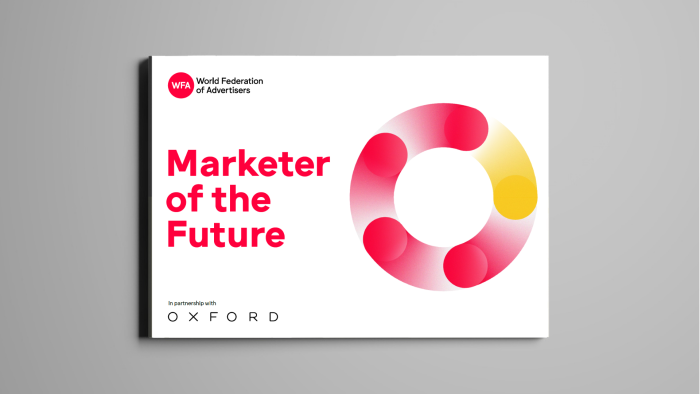
Download
Listen to our latest podcast:
Outlook
WFA's media price inflation forecast tool
Download
WFA Forums and Communities bring peers together to address their priority issues and most pressing business challenges. These groups are client only, so no agencies, media or suppliers. They are conducted under Chatham House Rules and always under strict compliance with competition rules.
WFA initiatives are designed to drive positive change for the benefit of brand advertisers, people and society at large.
WFA events bring members together to exchange insight and engage with their peers on their priority issues.
WFA develops bespoke marketing and policy tools to help members benchmark performance, view forecasts and monitor policy and marketing trends.