

Book the showroom
Multi Year Finance available for UK Customers



Matthew Baynham
“The ease of pushing, turning and transferring into my car with such a light wheelchair was a breath of fresh air.”
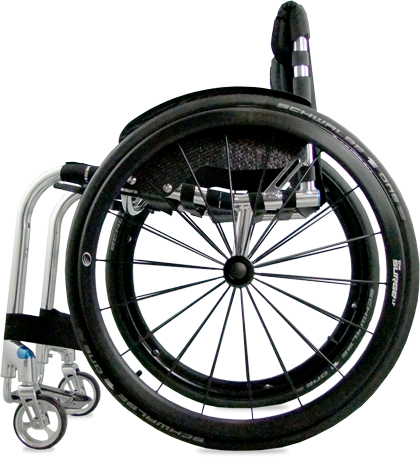
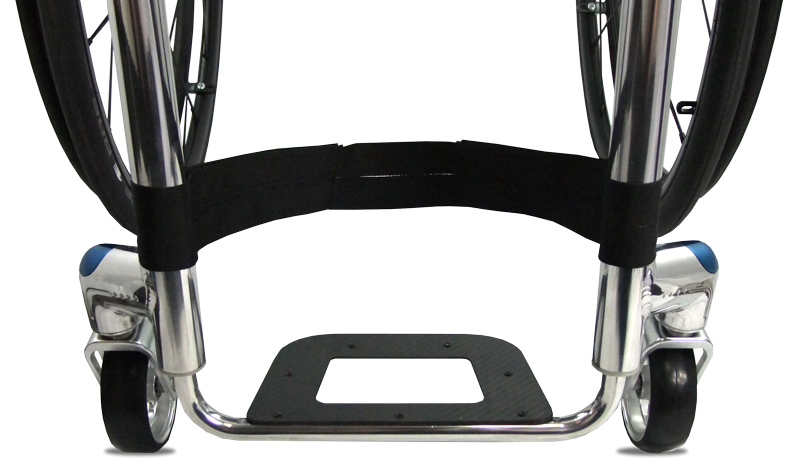
4kg*. That’s a newborn baby. A 7 week old Labrador puppy. Your Tiga Sub4. By making 72 minute but fundamental changes to the Tiga, alterations that many would simply neglect to notice, we have made an obscenely alluring, pioneering lightweight wheelchair that is as rigid and stable as it is lightweight. Transferring, propelling, lifting, turning… All effortless with your Tiga Sub4.

*excluding wheels, cushion and any non-certified options.
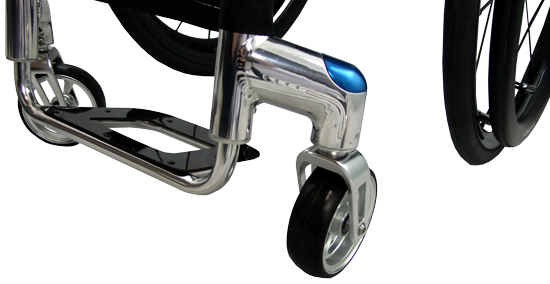
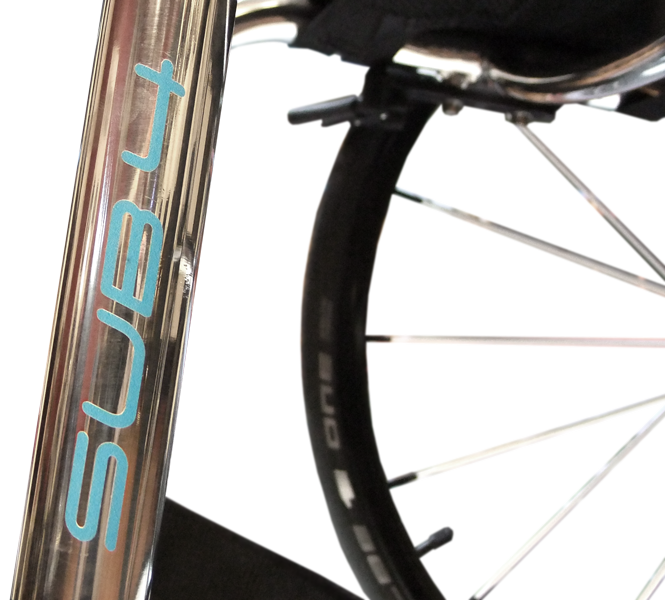
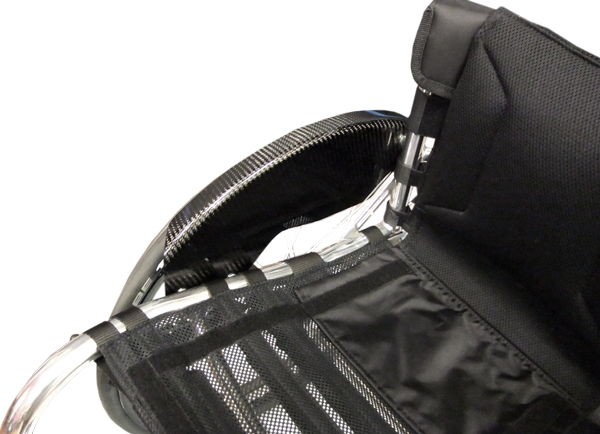
By embracing marginal gains technology, the Tiga Sub4 has been created as an unparalleled ultra-lightweight wheelchair. A completely unique Sub4 upholstery, shortened axle and pin setup, specially designed froglegs super light castors and corrosion resistant titanium fasteners, the Tiga Sub4 is as smart as it is beautiful.
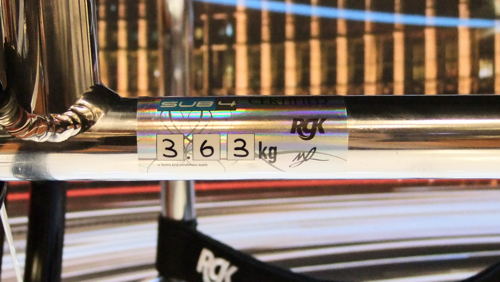
Only the best materials are used in your Tiga Sub4. Aluminium is famous for its strength, durability and is synonymous with lightness. The utmost best performance of your chair is ensured by only using elements produced by market leaders, alongside a staggering 19 quality checks throughout the build, from measure to handover.
Download the full Tiga Sub 4 user manual here
Do you need help with funding your RGK chair?
There are a few different ways in which you can try to get funding for your wheelchair. These choices include NHS Wheelchair Services, Access to Work and charities.
The Jin Pin Mei ( Jin Ping Mei or The Plum in the Golden Vase ), a Ming dynasty novel penned by Lanling Xiaoxiaoweng, is a cornerstone of Chinese literature. Known for its vivid prose and exploration of human desire, the novel's explicit content led to centuries of censorship, earning it the designation of a "banned classic." The 1996 film adaptation, directed by Chen Chuan-feng, breathes life into this provocative tale, offering a cinematic lens to its tumultuous narrative. Let’s explore this rare and controversial film, its origins, and its place in cultural history. Understanding the Source Material First published in the 17th century, Jin Pin Mei is often compared to The Tale of the Three Scholars for its satirical take on Ming society. Unlike the Dream of the Red Chamber or Journey to the West , Jin Pin Mei focuses on the decadence, greed, and infidelity of its characters. Its original author, anonymous for decades, was later revealed to be Lanling Xiaoxiaoweng, and the story follows the life of Ximen Qing, a corrupt merchant whose pursuit of wealth and lust leads to his downfall. The novel’s detailed depictions of sexual relationships and moral decay have made it both controversial and fascinating, with many censored editions missing its most explicit scenes. The 1996 Film Adaptation: A Rare Glimpse Released in 1996, Chen Chuan-feng’s Jin Pin Mei is one of the few cinematic portrayals of the original text. Directed by a filmmaker known for his work in Hong Kong cinema, the film stars Wu Yue in a pivotal role. Unlike mainstream adaptations, this version diverges from strict fidelity to the novel, instead emphasizing its erotic and dramatic elements. The film adopts a stylized visual language, blending traditional aesthetics with modern cinematic techniques to capture the decadence of the Ming-era setting.
First, I need to gather accurate information about the 1996 Jin Pin Mei movie. Jin Pin Mei is an ancient Chinese novel also known as "The Plum in the Golden Vase". There have been several adaptations of this novel, including the 1996 film. I should check the details of that specific version. Who directed it? Who were the main actors? What's the plot summary? How was it received? Jin Pin Mei 1996 Movie Downloadl
In summary, the blog post should inform readers about the movie's background, its connection to the original novel, and its themes without endorsing piracy. Provide context for why the film is significant and where it might be found legally. Keep the tone informative and respectful of copyright laws. The Jin Pin Mei ( Jin Ping Mei

Units 8a/b/c Ring Road, Zone 2, Burntwood Business Park, Burntwood, Staffordshire, WS7 3JQ UK.
Part of the Sunrise Medical Group

Company No: 4685517 © RGK Wheelchairs 2024
Copyright © 2026 Royal Elite Forum
